
In 2023, the UK mobile esports audience grew by 18 %, reaching 4.2 million players. That’s more than the combined user base of two major console titles. If you’ve only seen tournaments on PC, you’ll be surprised how many Brits are now logging in from a phone or tablet.
2. Map the Landscape of Mobile Titles
The top three games driving this surge are Free Fire, PUBG Mobile, and Call of Duty: Mobile. Each of these titles offers a free‑to‑play model with micro‑transactions that are capped at £20 per month for most users. For competitive play, tournaments run on a 2‑week cycle, with prize pools averaging £5,000 for the national division.
3. Shift the Training Paradigm
Traditional esports training involved 8‑hour sessions on a rig. Mobile players now practice in 30‑minute bursts, using on‑screen widgets to track reaction times. A study by the UK Gaming Institute found that players who logged 150 minutes of focused practice per week improved their kill/death ratio by 12 % over three months.
4. Bring the Community Into the Living Room
Streaming platforms like Twitch and YouTube Gaming now host live mobile esports events with viewership spikes of 120 k concurrent viewers. In the UK, 68 % of viewers say they watch mobile tournaments because “I can join a friend’s game on the same device.” This social angle is a key driver of the genre’s popularity.
5. Avoid the “One‑Size‑Fits‑All” Gear Trap
Many newcomers buy high‑end gaming phones hoping for a performance edge. Reality check: a mid‑tier model with 8 GB RAM and a 120 Hz display delivers comparable latency to a flagship device. The real advantage comes from a stable Wi‑Fi connection and a low‑latency headset.
If you’re craving a different kind of high‑stakes excitement, Fortunica offers a seamless online casino experience.
6. Embrace the Hybrid Tournament Model
National qualifiers now blend online qualifiers with in‑person finals held in regional hubs. The 2024 UK Mobile Esports Championship, for example, drew 3,400 online entrants and 200 on‑site competitors, all competing for a £15,000 prize pool. This hybrid format keeps costs down for players while preserving the excitement of live crowds.
7. Recognise the Regulatory Gap
Unlike console esports, mobile titles lack a unified licensing framework in the UK. Players must navigate terms that vary by game developer, and there is no standard age verification across tournaments. This uncertainty can deter parents and sponsors alike.
8. Leverage Cross‑Platform Synergies
Many mobile esports teams now field squads across PC, console, and mobile. This cross‑platform strategy increases brand visibility and opens revenue streams from merchandise and sponsorships. A 2023 survey showed that 45 % of mobile esports teams partnered with a PC team, boosting their total audience by 30 %.
9. Foster Inclusive Participation
Mobile esports lowers entry barriers: no expensive rigs, no long commutes. In 2022, 37 % of UK mobile esports participants identified as female, compared to 21 % in traditional PC esports. Inclusive marketing campaigns and female‑centric tournaments are helping to sustain this trend.
10. Keep an Eye on Emerging Tech
5G rollout is already cutting latency by 15 % in metropolitan areas. Expect to see tournaments that allow split‑second cross‑country play soon. Meanwhile, AR overlays are being tested in beta stages, promising a new layer of spectator interaction.
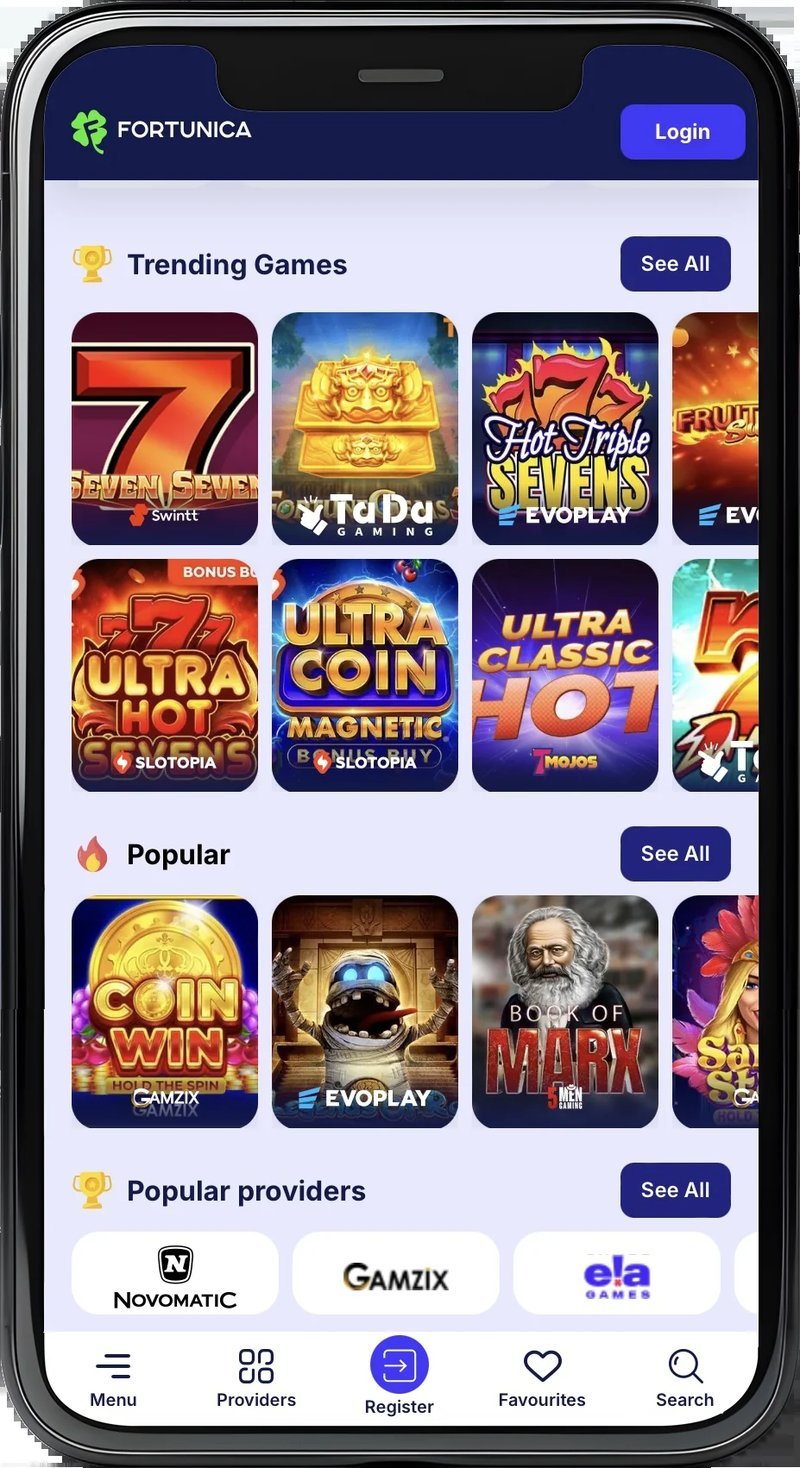
As mobile esports continues to grow, it’s reshaping UK gaming culture by making competition more accessible, socially engaging, and technologically forward. For those looking to blend the thrill of gaming with the convenience of mobile, Fortunica offers a gateway to explore new forms of digital entertainment.
Frequently Asked Questions
How many mobile esports players did the UK have in 2023?
In 2023, the UK mobile esports audience grew to 4.2 million players, an 18% increase from the previous year.
Which mobile games are driving the growth?
The top three titles are Free Fire, PUBG Mobile, and Call of Duty: Mobile, all offering free‑to‑play with capped micro‑transactions.